The Biggest Budget Traps in Luxury Weddings and How to Avoid Them
Planning a luxury wedding is exciting, but it comes with a unique set of financial challenges. A higher budget does not mean fewer problems. In many cases, it creates more opportunities for costs to grow in ways that are hard to predict.
The issue is not usually overspending. It is spending in the wrong places or underestimating how quickly certain choices add up. Understanding where these budget traps happen can help you stay in control while still creating a beautiful, high-end experience.
Why Luxury Wedding Budgets Spiral Faster Than Expected
Luxury weddings start at a higher baseline. Venues, vendors, and materials all come with premium pricing, which means every decision carries more financial weight.
There is also a mindset shift that happens. When you are already investing significantly, it becomes easier to justify upgrades. A small change might not feel like a big deal in the moment, but when applied across your entire wedding, it can increase your total by thousands.
Vendor minimums and elevated service expectations also play a role. Many high-end vendors structure their pricing around packages or minimum spends, which can limit flexibility and push budgets upward.
Venue Costs That Expand Beyond the Contract
Hidden Venue Expenses
The base price of a venue rarely tells the full story. Service charges are often added on top of catering, and they are not the same as gratuity. Rentals such as chairs, linens, tents, or flooring may not be included. Setup and teardown labor can also be separate costs.
Overtime fees are another common surprise. If your event runs longer than planned, the charges can add up quickly.
Luxury Venue Specific Traps
Many upscale venues require you to use a preferred vendor list. While these vendors are experienced, they may not offer competitive pricing. Some venues also require minimum guest counts or full property buyouts, which can significantly increase your overall spend.
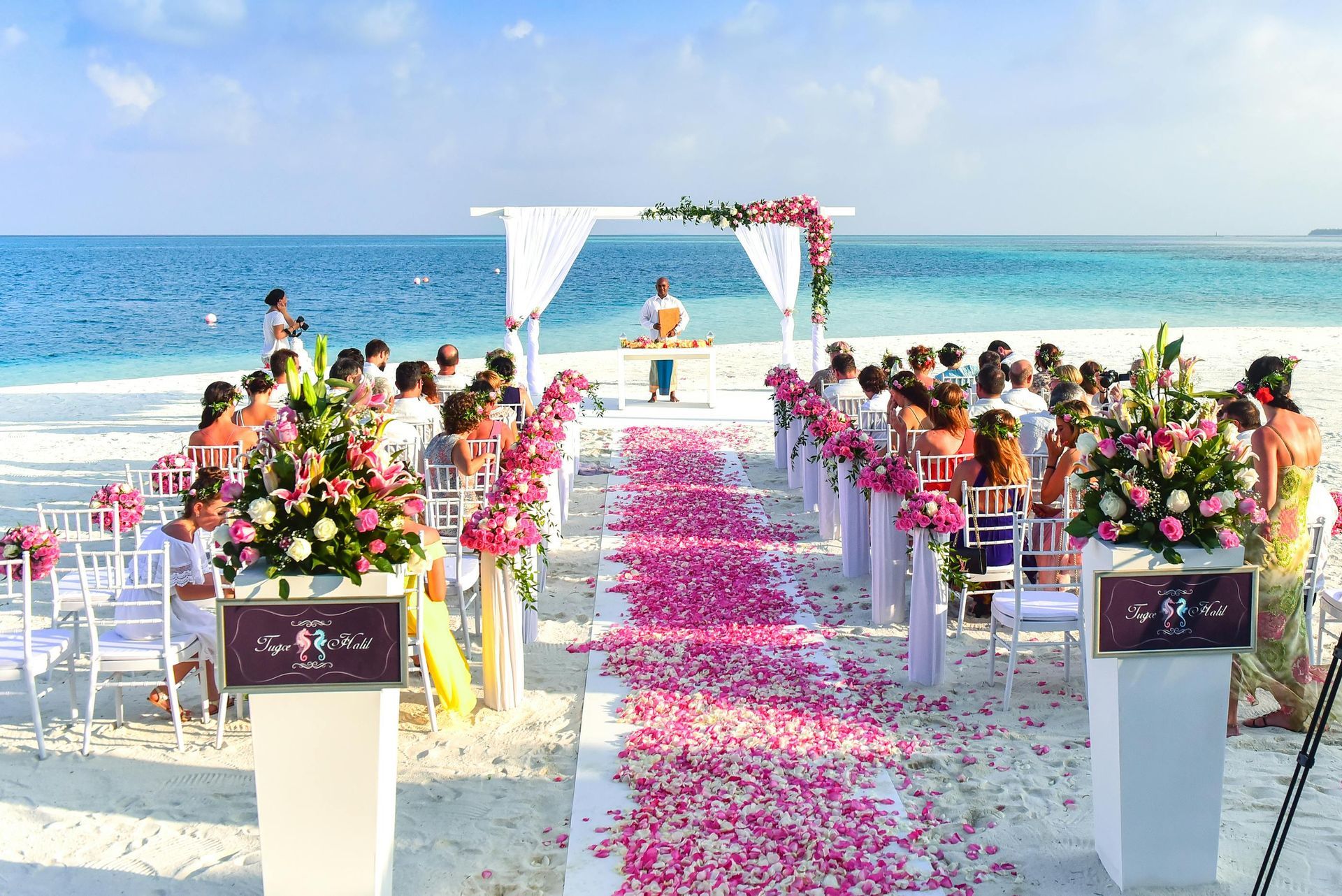
Weather backup plans can also double certain costs, especially for outdoor spaces that require tenting or additional rentals.
How to Avoid This Trap
Ask for a full cost breakdown before signing any contract. Request a realistic estimate that includes rentals, staffing, and fees. Think of the venue as the foundation of your budget and make sure you understand the total investment, not just the starting price.
Floral and Design Budgets That Escalate Quickly
The Pinterest vs Reality Gap
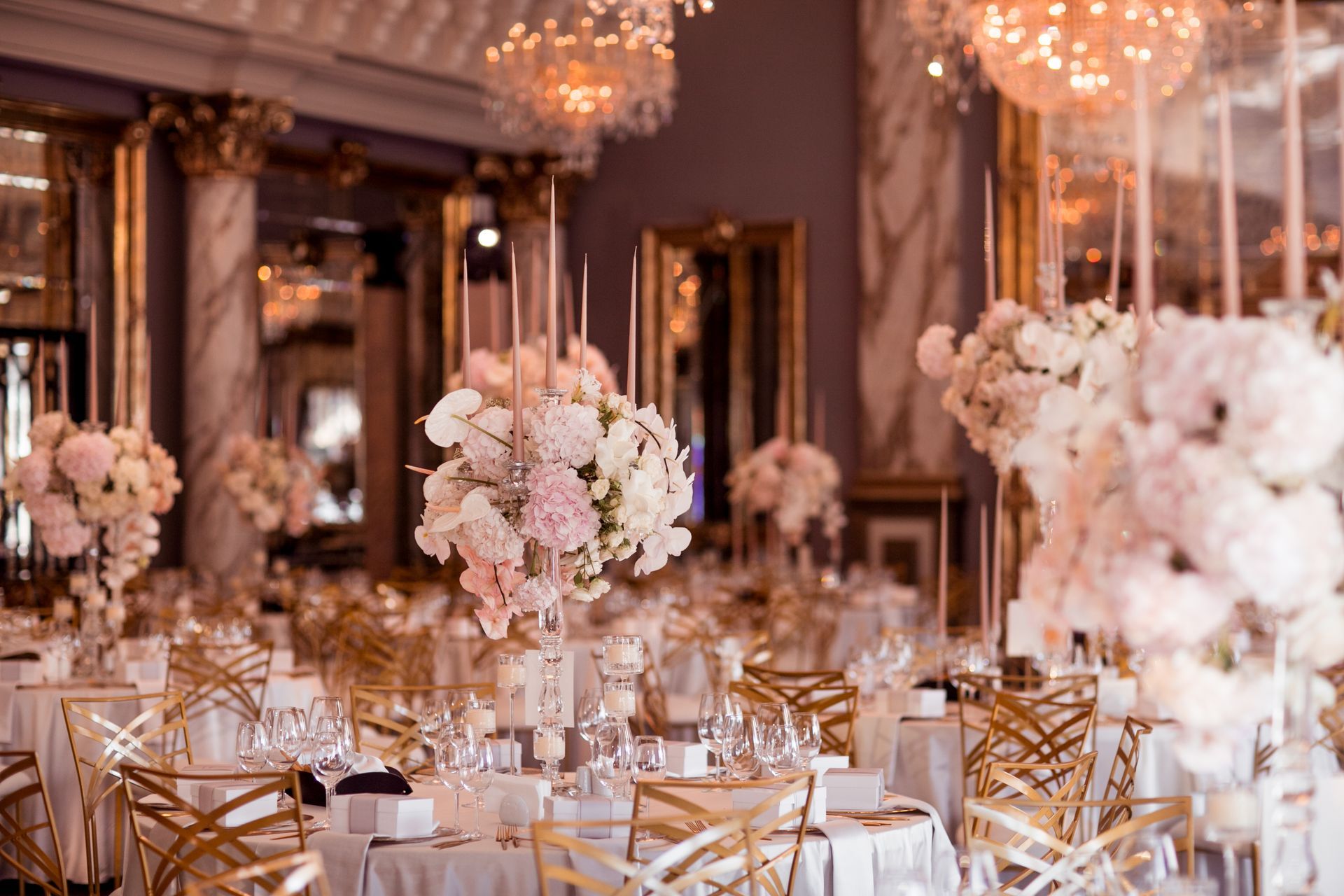
Luxury wedding inspiration often features large installations, hanging florals, and statement pieces. These designs require extensive materials and labor. Imported flowers or out-of-season blooms can further increase costs.
Scope Creep in Design
It is easy to keep adding design elements. A welcome display here, extra arrangements there, and suddenly the floral budget has doubled. Repeating decor across multiple spaces can also drive costs higher without adding much impact.
How to Avoid This Trap
Focus on a few key areas where design will have the most visual impact. Ceremony backdrops, head tables, and entry points often matter most. Work with a designer to create a cohesive plan instead of adding elements one by one.
Catering and Bar Packages That Inflate Per Guest Costs
The Per Person Multiplier Effect
Catering is one of the biggest drivers of your total budget. Every upgrade, whether it is a premium entrée, upgraded bar, or late night snack, is multiplied by your guest count.
Even small additions can become significant. A ten dollar upgrade per guest quickly turns into thousands when applied across a full guest list.
Service Level Additions
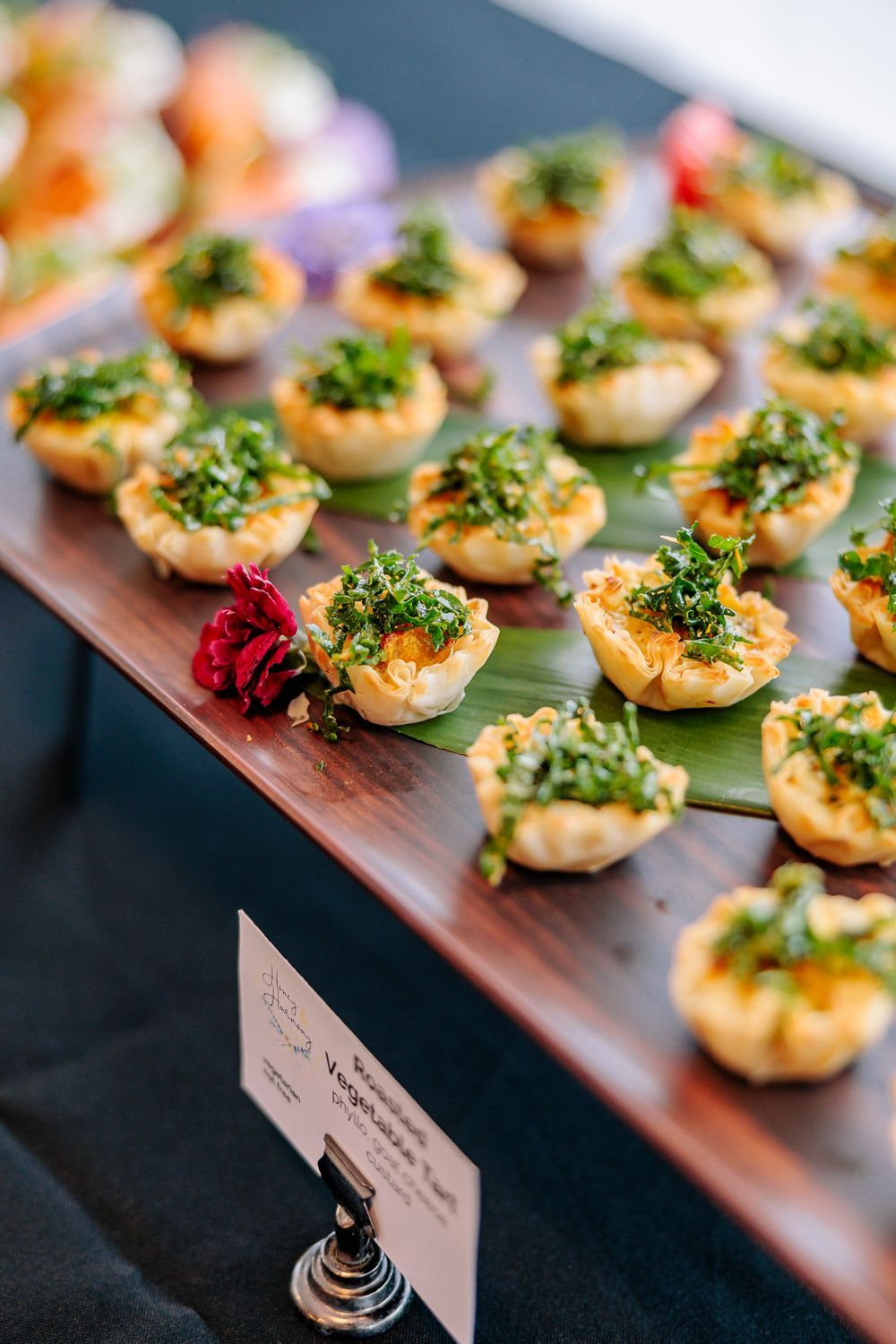
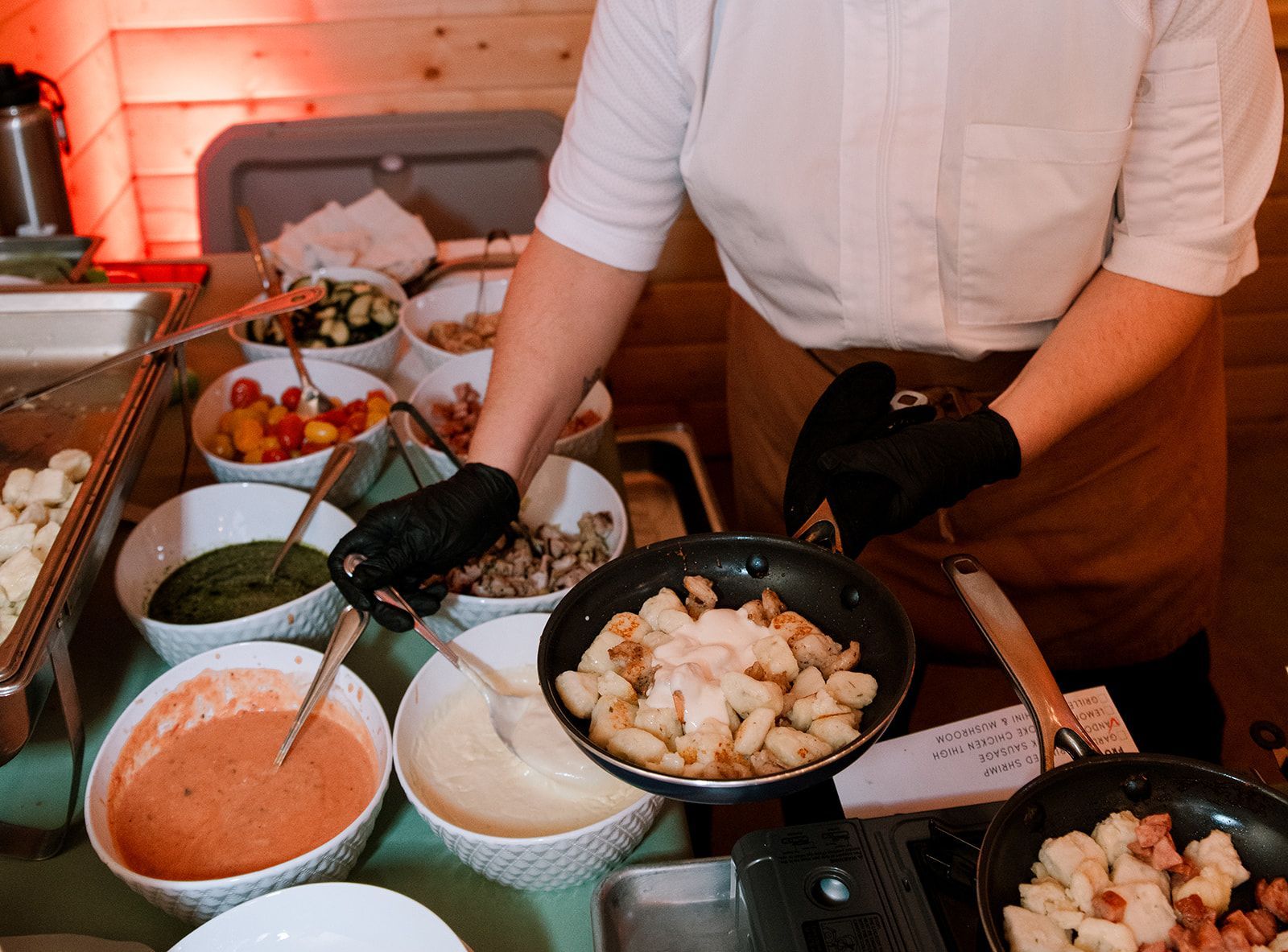
Luxury catering often includes elevated service, which means higher staffing ratios. Specialty stations, custom menus, and unique presentation styles also increase both food and labor costs.
Working with an experienced caterer like Honey & Harmony can help you balance quality and cost. A strong catering partner will guide you toward choices that feel upscale without unnecessary extras.
How to Avoid This Trap
Decide what truly enhances your guest experience. A beautifully executed main course and a well-curated bar often matter more than multiple add-ons. Focus your budget on the elements your guests will remember.
Guest List Creep and Its Compounding Impact
The True Cost of Adding Guests
Every additional guest affects more than just catering. Rentals, florals, invitations, and even transportation all increase with your headcount.
Social and Family Pressures
It can be difficult to say no to additional invites, especially when family expectations are involved. However, each extra guest has a measurable cost.
How to Avoid This Trap
Set clear guidelines for your guest list early. Understand your cost per guest so you can make informed decisions. Keeping your list intentional allows you to invest more in the experience for each attendee.
Vendor Minimums and Package Structures
Minimum Spend Requirements
Many luxury vendors operate with minimum pricing. This is common with planners, photographers, and entertainment providers. Even if you need less, you may still be required to meet a certain spend.
The Upgrade Effect
Packages are often structured to encourage upgrades. The middle option may feel like the best value, but it can still exceed your original budget.
How to Avoid This Trap
Evaluate what you are actually receiving for the price. Instead of negotiating cost, ask about adjusting the scope of services. This approach often provides more flexibility while maintaining quality.
Customization and Personalization Costs
Where Custom Details Add Up
Custom stationery, signage, favors, and branded elements can quickly increase your budget. Each piece may seem small, but together they create a significant expense.
The Hidden Labor Behind Custom Work
Design, revisions, and production all require time and expertise. These behind-the-scenes efforts are often reflected in the final price.
How to Avoid This Trap
Choose a few meaningful custom elements that align with your overall vision. Not every detail needs to be personalized to feel special or memorable.
Last Minute Changes and Decision Fatigue
The Cost of Late Adjustments
Changes made close to your wedding date often come with rush fees. Reprints, updated rentals, and last minute additions can all increase costs.
Emotional Decision Making
As the wedding approaches, it is easy to make decisions based on stress or pressure rather than your original plan. These choices often lead to unnecessary spending.
How to Avoid This Trap
Make key decisions early and stick to them. Create a simple framework for evaluating late changes. If something does not significantly improve the experience, it is usually not worth the added cost.
Spending Intentionally Without Losing the Luxury Experience
A luxury wedding is not about spending more. It is about creating a thoughtful, elevated experience. When you understand where budget traps tend to happen, you can make smarter decisions without sacrificing your vision.
By focusing on what truly matters and staying intentional with your choices, you can enjoy the planning process and create a wedding that feels both beautiful and well-managed.
When it comes to catering, the right partner makes all the difference. If you want a menu that feels elevated without unnecessary overspending, Honey & Harmony can help you strike that balance.
Ready to start planning your wedding menu?
How much should I budget for a luxury wedding?
Luxury wedding budgets can vary widely, but most fall between $75,000 and $200,000 or more depending on location, guest count, and level of customization. The key factor is not just the total budget, but how it is allocated across major categories like venue, catering, and design.
What’s the most expensive part of a wedding?
For most weddings, catering and venue costs combined make up the largest portion of the budget. In luxury weddings, this is especially true since per guest costs are higher and often include premium food, service, and upgraded bar packages.
What is considered a luxury wedding?
A luxury wedding typically involves high-end venues, premium vendors, and a strong focus on guest experience and design. It often includes custom details, elevated service levels, and a cohesive aesthetic that goes beyond standard wedding packages.