The Ultimate Guide to Accommodating Dietary Restrictions at Black-Tie Galas
Planning a black tie gala means paying attention to details that guests will remember. Food is one of the biggest parts of that experience.
At corporate events, guests expect a meal that feels polished, organized, and thoughtful. That becomes harder when dietary restrictions are involved. Allergies, medical conditions, religious requirements, and lifestyle choices all affect what guests can safely eat.
If those needs are ignored, guests notice. A poorly handled meal can leave a negative impression long after the event ends.
The good news is that accommodating dietary restrictions does not have to make event planning complicated. With the right preparation, corporate planners can create a dining experience that feels seamless for every guest in the room.
Why Dietary Accommodations Matter at Corporate Galas
Dietary accommodations are no longer considered extra requests at formal events. They are part of modern hospitality.
Corporate galas often include executives, clients, sponsors, employees, and vendors from different backgrounds. Large guest lists increase the chances of allergies, religious dietary requirements, and plant based preferences. When guests cannot eat the meal served to them, it affects not just their dinner but also their experience at the event. Guests may feel overlooked or uncomfortable, especially at upscale gatherings where service expectations are high.
Common Dietary Restrictions to Plan For
Most formal events include a range of dietary requests. Some are medical while others are tied to personal or religious preferences.
Common dietary restrictions include:
- Nut allergies
- Shellfish allergies
- Dairy free meals
- Gluten free meals
- Vegetarian meals
- Vegan meals
- Halal meals
- Kosher meals
- Low sodium meals
- Diabetic friendly meals
- Pescatarian meals
Food allergies usually require the most attention because cross contamination can create serious health risks. Even small mistakes in preparation or service can become major problems during an event. Plant based and gluten free meals also deserve careful planning. Guests should receive meals that feel complete and professionally prepared instead of simple substitutions.
The goal is not to become a nutrition expert. The goal is to create a system that helps guests feel comfortable and included.
Collect Dietary Information Early
One of the easiest ways to avoid catering problems is to collect dietary information early in the planning process.
Include a dietary question on RSVP forms or event registration pages. Keep the wording simple and professional. Guests should have space to explain allergies, sensitivities, or religious restrictions clearly.
It also helps to ask guests whether allergies are severe. That information matters for catering teams handling food preparation.
Set a clear deadline for dietary submissions whenever possible. Last minute requests will still happen, but early responses give caterers more time to prepare safely and accurately.
Keep all dietary information organized in one place so event planners, caterers, and service staff are working from the same details.
Choosing the Right Caterer for a Black Tie Gala
Before hiring a caterer, ask direct questions about allergy procedures and specialty meal preparation. A strong catering team should be able to explain how they prevent cross contamination and manage dietary requests during service.
It is also important to ask whether specialty meals receive the same level of presentation as standard plates. Guests should not feel like their meal was treated as an afterthought.
Look for caterers with experience handling upscale corporate events. Formal dinners require smooth timing, professional service, and consistent presentation across every table. Honey & Harmony Catering works closely with corporate event planners to create polished dining experiences that accommodate dietary needs while maintaining the elevated presentation guests expect at black tie events.
Build a Menu That Works Smoothly During Service
The best gala menus are designed with flexibility in mind from the beginning. That makes dietary accommodations easier for both the catering team and the guests.
Instead of planning one standard menu with several backup meals, focus on dishes that adapt well to different dietary needs. Simple proteins, fresh vegetables, and clearly separated ingredients are usually easier to customize without lowering quality or presentation standards.
Formal plated dinners work well when guests have more than one entrée option. Vegan and gluten free meals should feel just as polished as every other plate served during the event. Guests notice when specialty meals appear rushed or overly simple.
Buffets and food stations can also work well for larger corporate gatherings because guests have more control over their selections. In these settings, clear food labels are especially important. Guests should be able to identify allergens and dietary information quickly without needing to ask staff questions throughout the evening.
Desserts deserve the same level of attention as the main course. A carefully prepared dairy free or gluten free dessert helps guests feel included throughout the full dining experience.
Strong service coordination matters just as much as menu planning.
Catering staff, event planners, and servers should all follow the same clear system before guests arrive. Many formal events use coded seating charts, discreet meal markers, or place cards to identify specialty meals during service.
Servers should know which guests are receiving allergy meals before dinner begins. Experienced staff members should handle tables with more complex dietary requests whenever possible.
Before service starts, confirm specialty meal counts, labels, and seating assignments with the catering team. Small mistakes become much more noticeable during a formal black tie dinner, especially when guests expect polished and organized service.
Common Mistakes to Avoid
One common mistake is waiting too long to collect dietary information. Late communication limits what catering teams can realistically prepare.
Another issue is treating specialty meals like backup options. Guests notice when their meal looks rushed or incomplete.
Poor buffet labeling can also create confusion and safety concerns. Guests need clear information about ingredients and allergens.
Staff training matters as well. Servers should understand which meals contain allergens and which guests are receiving specialty plates.
Finally, avoid assuming one healthy option works for everyone. Dietary restrictions vary widely, and simple communication is usually the best approach.
Final Checklist for Dietary Accommodation Planning
Before the event, confirm that dietary information has been collected, reviewed, and shared with the catering team. Make sure specialty meals have been finalized and service procedures have been discussed with staff.
On the day of the gala, verify seating charts, meal counts, and allergy labels before guests arrive. It also helps to keep several backup meals available for unexpected requests or service issues.
Strong preparation helps the entire event run more smoothly.
Dietary accommodations are now a standard part of corporate event planning, especially at upscale galas.
Guests expect meals that are safe, thoughtful, and professionally presented. When event planners communicate clearly and prepare early, dietary restrictions become much easier to manage.
The best black tie events make every guest feel comfortable at the table. That level of care leaves a lasting impression on clients, employees, and event attendees. Honey & Harmony Catering understands how important those details are and works closely with planners to create elegant menus that accommodate dietary needs without sacrificing presentation or service quality.
Ready to start planning your black tie event?
How do you handle dietary restrictions or special requirements when organizing catering for a meeting or event?
Start by collecting dietary information during the RSVP process so guests have time to share allergies, medical restrictions, or food preferences. Then work closely with the caterer to confirm ingredient details, cross contamination procedures, and meal labeling. Clear communication between planners, kitchen staff, and servers helps prevent mistakes during the event.
How should I politely ask for dietary restrictions?
Keep the wording simple and professional. A question like “Please let us know if you have any dietary restrictions or food allergies we should accommodate” works well for most events. It also helps to include space for guests to explain details about severe allergies or special meal requirements.
What are some elegant appetizers?
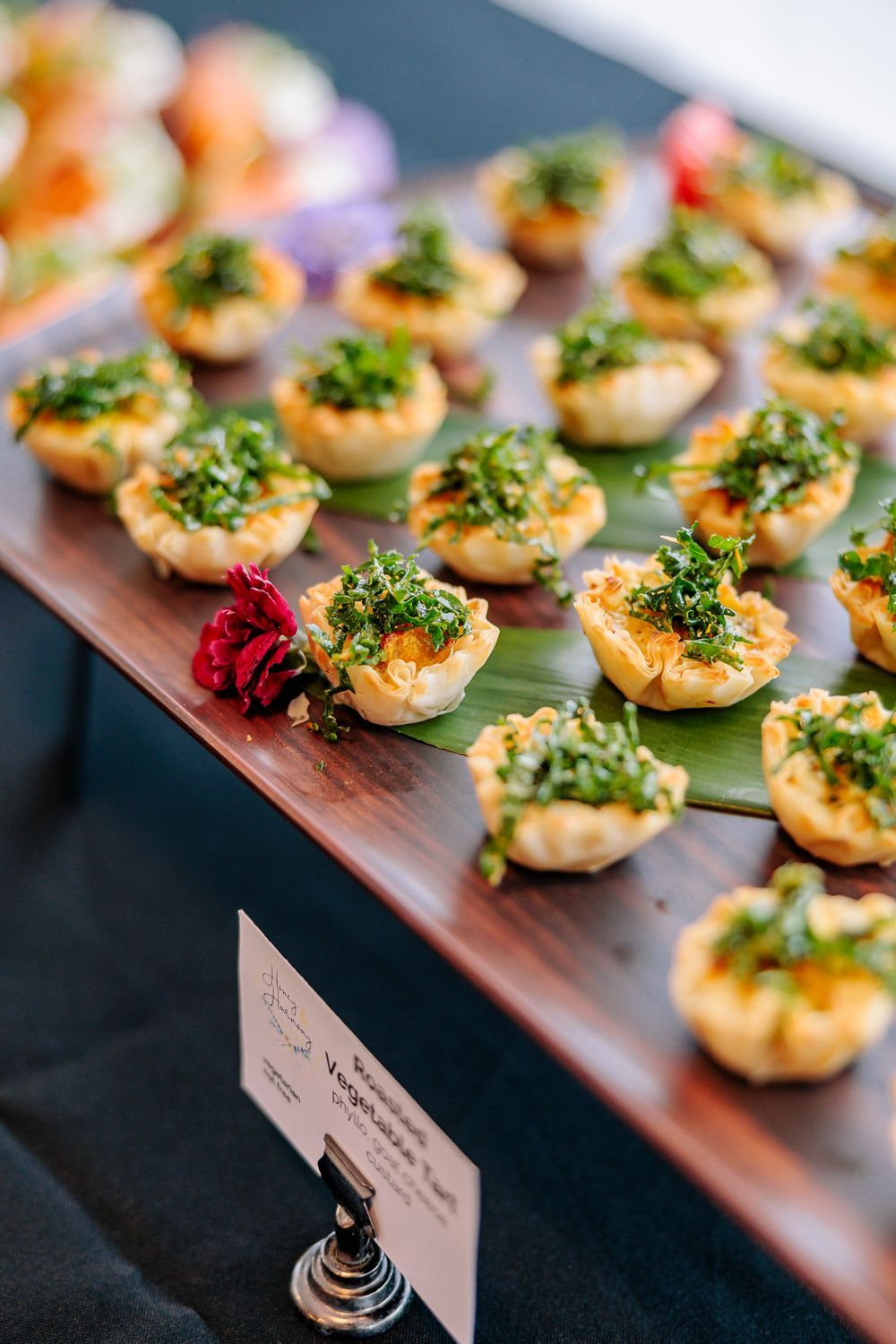
Elegant appetizers for black tie events usually focus on presentation and easy service. Popular options include shrimp cocktail, mini crab cakes, stuffed mushrooms, bruschetta, smoked salmon crostini, and caprese skewers. It also helps to include vegetarian and gluten free options so more guests can enjoy the cocktail hour comfortably.