
Blog

Executive events should feel polished, memorable, and appropriate for the organization hosting them. For law firms, architecture firms, financial companies, and other premium service providers, that often means creating an upscale atmosphere without relying on flashy decor or over-the-top entertainment. The most effective executive events usually make an impression through thoughtful details. A custom menu, attentive service, a well-chosen venue, and a few carefully selected design elements can make guests feel valued while preserving a professional tone. Begin With a Clear Purpose Before choosing a venue, menu, or decor, determine what the event is meant to accomplish. A client appreciation dinner will require a different atmosphere than an office opening, awards presentation, or leadership retreat. Consider what guests should remember after they leave. The goal might be to strengthen client relationships, recognize an important milestone, introduce a new service, or provide executives with an opportunity to connect outside the office. Once the purpose is clear, every decision can support it. This also helps prevent the event from becoming cluttered with features that may look impressive individually but do not contribute to the overall experience. Choose a Venue That Already Feels Elevated A strong venue reduces the need for excessive decoration. Look for spaces with interesting architecture, quality furnishings, attractive views, or a sense of privacy. Depending on the event, suitable options may include: Private dining rooms Art galleries Historic buildings Modern office spaces Boutique hotels Rooftop venues Wineries or garden spaces The venue should also support the practical needs of the gathering. Guests should be able to move comfortably between dining, networking, presentations, and other planned activities. Pay attention to acoustics as well. A beautiful room can quickly become frustrating if guests cannot hear one another or if a presentation is difficult to follow.
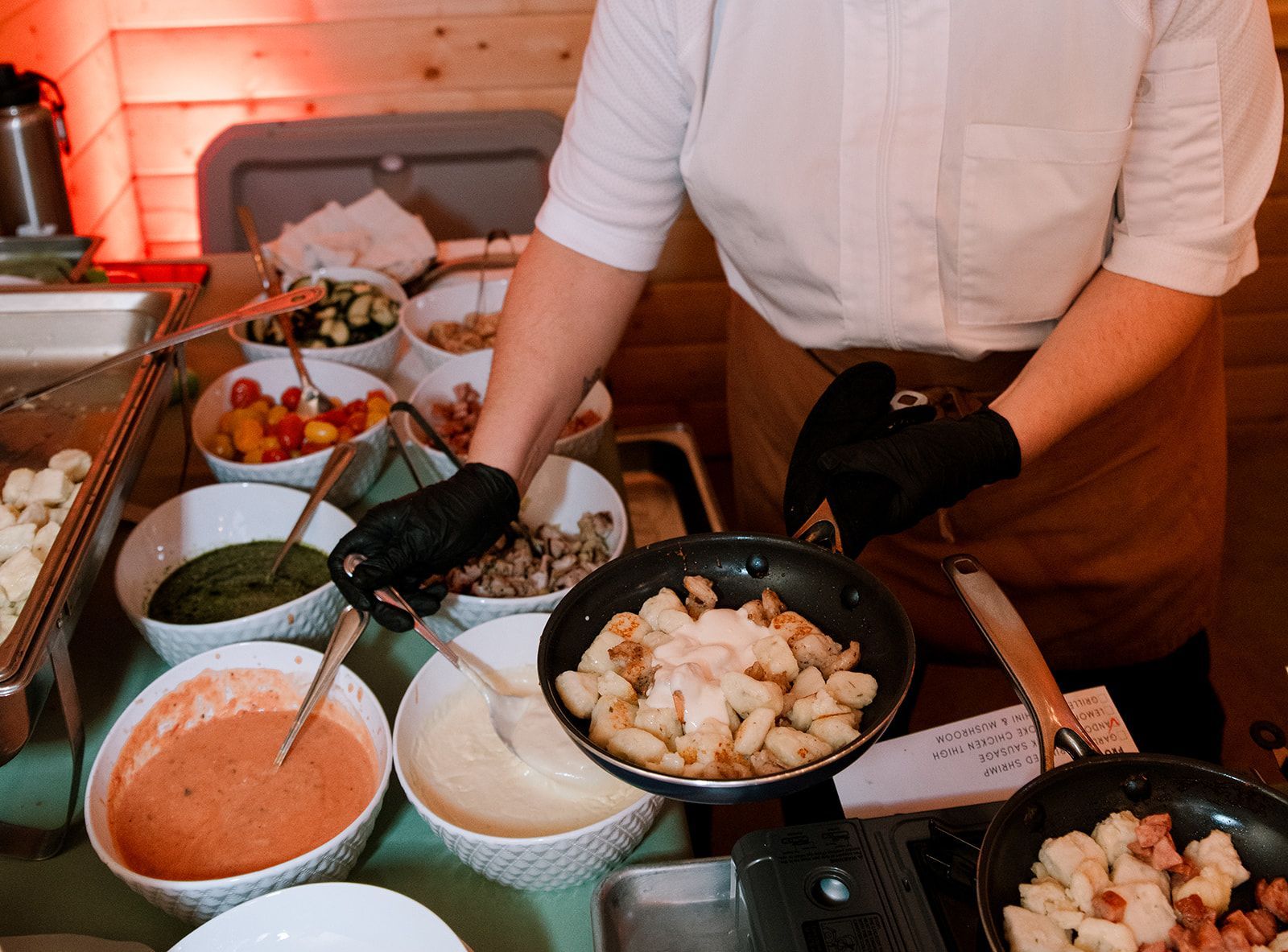
Planning a black tie gala means paying attention to details that guests will remember. Food is one of the biggest parts of that experience. At corporate events, guests expect a meal that feels polished, organized, and thoughtful. That becomes harder when dietary restrictions are involved. Allergies, medical conditions, religious requirements, and lifestyle choices all affect what guests can safely eat. If those needs are ignored, guests notice. A poorly handled meal can leave a negative impression long after the event ends. The good news is that accommodating dietary restrictions does not have to make event planning complicated. With the right preparation, corporate planners can create a dining experience that feels seamless for every guest in the room. Why Dietary Accommodations Matter at Corporate Galas Dietary accommodations are no longer considered extra requests at formal events. They are part of modern hospitality. Corporate galas often include executives, clients, sponsors, employees, and vendors from different backgrounds. Large guest lists increase the chances of allergies, religious dietary requirements, and plant based preferences. When guests cannot eat the meal served to them, it affects not just their dinner but also their experience at the event. Guests may feel overlooked or uncomfortable, especially at upscale gatherings where service expectations are high. Common Dietary Restrictions to Plan For Most formal events include a range of dietary requests. Some are medical while others are tied to personal or religious preferences. Common dietary restrictions include: Nut allergies Shellfish allergies Dairy free meals Gluten free meals Vegetarian meals Vegan meals Halal meals Kosher meals Low sodium meals Diabetic friendly meals Pescatarian meals Food allergies usually require the most attention because cross contamination can create serious health risks. Even small mistakes in preparation or service can become major problems during an event. Plant based and gluten free meals also deserve careful planning. Guests should receive meals that feel complete and professionally prepared instead of simple substitutions. The goal is not to become a nutrition expert. The goal is to create a system that helps guests feel comfortable and included. Collect Dietary Information Early One of the easiest ways to avoid catering problems is to collect dietary information early in the planning process. Include a dietary question on RSVP forms or event registration pages. Keep the wording simple and professional. Guests should have space to explain allergies, sensitivities, or religious restrictions clearly. It also helps to ask guests whether allergies are severe. That information matters for catering teams handling food preparation. Set a clear deadline for dietary submissions whenever possible. Last minute requests will still happen, but early responses give caterers more time to prepare safely and accurately. Keep all dietary information organized in one place so event planners, caterers, and service staff are working from the same details. Choosing the Right Caterer for a Black Tie Gala Before hiring a caterer, ask direct questions about allergy procedures and specialty meal preparation. A strong catering team should be able to explain how they prevent cross contamination and manage dietary requests during service. It is also important to ask whether specialty meals receive the same level of presentation as standard plates. Guests should not feel like their meal was treated as an afterthought. Look for caterers with experience handling upscale corporate events. Formal dinners require smooth timing, professional service, and consistent presentation across every table. Honey & Harmony Catering works closely with corporate event planners to create polished dining experiences that accommodate dietary needs while maintaining the elevated presentation guests expect at black tie events.
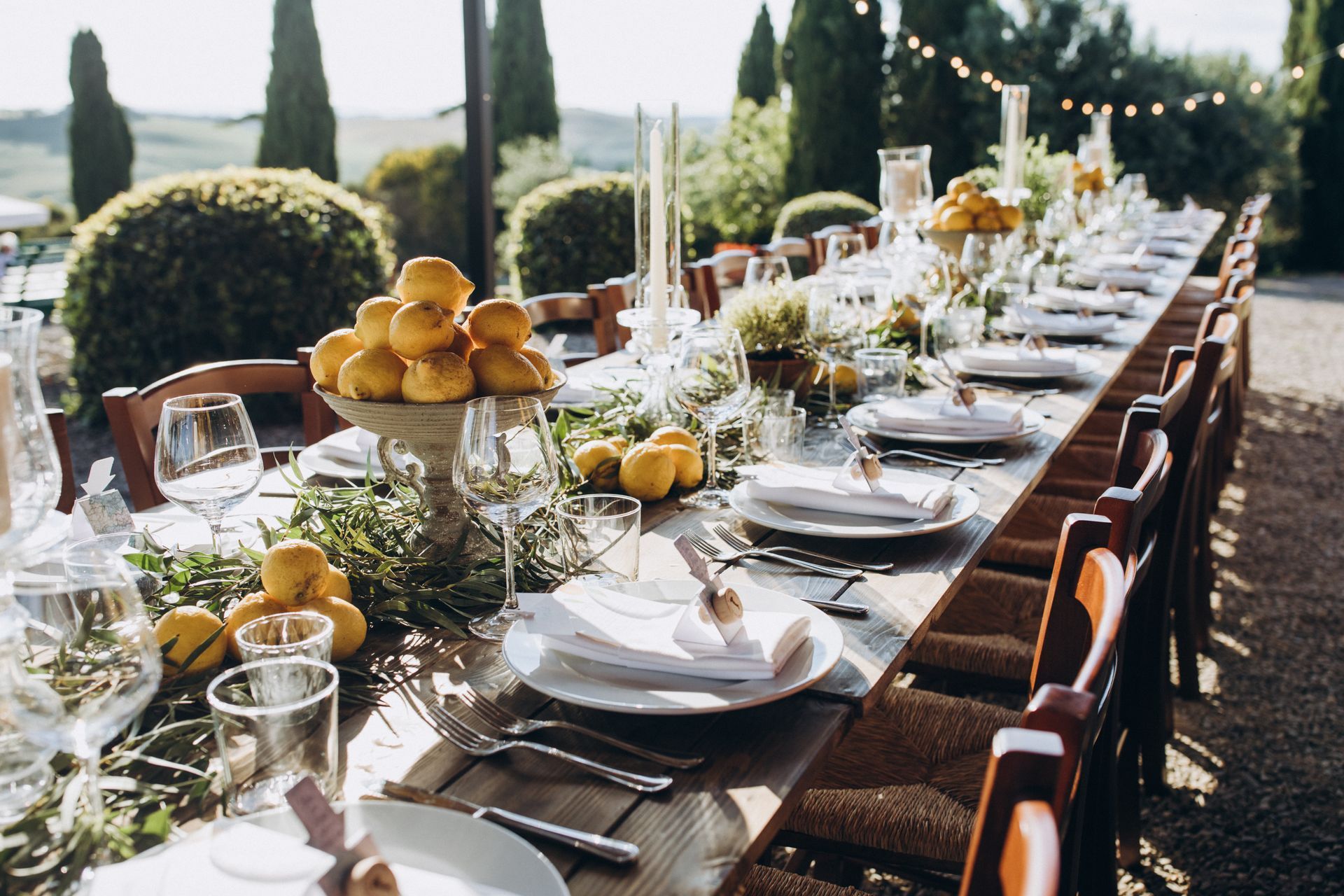
Planning a luxury wedding is exciting, but it comes with a unique set of financial challenges. A higher budget does not mean fewer problems. In many cases, it creates more opportunities for costs to grow in ways that are hard to predict. The issue is not usually overspending. It is spending in the wrong places or underestimating how quickly certain choices add up. Understanding where these budget traps happen can help you stay in control while still creating a beautiful, high-end experience. Why Luxury Wedding Budgets Spiral Faster Than Expected Luxury weddings start at a higher baseline. Venues, vendors, and materials all come with premium pricing, which means every decision carries more financial weight. There is also a mindset shift that happens. When you are already investing significantly, it becomes easier to justify upgrades. A small change might not feel like a big deal in the moment, but when applied across your entire wedding, it can increase your total by thousands. Vendor minimums and elevated service expectations also play a role. Many high-end vendors structure their pricing around packages or minimum spends, which can limit flexibility and push budgets upward. Venue Costs That Expand Beyond the Contract Hidden Venue Expenses The base price of a venue rarely tells the full story. Service charges are often added on top of catering, and they are not the same as gratuity. Rentals such as chairs, linens, tents, or flooring may not be included. Setup and teardown labor can also be separate costs. Overtime fees are another common surprise. If your event runs longer than planned, the charges can add up quickly. Luxury Venue Specific Traps Many upscale venues require you to use a preferred vendor list. While these vendors are experienced, they may not offer competitive pricing. Some venues also require minimum guest counts or full property buyouts, which can significantly increase your overall spend. Weather backup plans can also double certain costs, especially for outdoor spaces that require tenting or additional rentals. How to Avoid This Trap Ask for a full cost breakdown before signing any contract. Request a realistic estimate that includes rentals, staffing, and fees. Think of the venue as the foundation of your budget and make sure you understand the total investment, not just the starting price. Floral and Design Budgets That Escalate Quickly The Pinterest vs Reality Gap Luxury wedding inspiration often features large installations, hanging florals, and statement pieces. These designs require extensive materials and labor. Imported flowers or out-of-season blooms can further increase costs. Scope Creep in Design It is easy to keep adding design elements. A welcome display here, extra arrangements there, and suddenly the floral budget has doubled. Repeating decor across multiple spaces can also drive costs higher without adding much impact. How to Avoid This Trap Focus on a few key areas where design will have the most visual impact. Ceremony backdrops, head tables, and entry points often matter most. Work with a designer to create a cohesive plan instead of adding elements one by one. Catering and Bar Packages That Inflate Per Guest Costs The Per Person Multiplier Effect Catering is one of the biggest drivers of your total budget. Every upgrade, whether it is a premium entrée, upgraded bar, or late night snack, is multiplied by your guest count. Even small additions can become significant. A ten dollar upgrade per guest quickly turns into thousands when applied across a full guest list. Service Level Additions Luxury catering often includes elevated service, which means higher staffing ratios. Specialty stations, custom menus, and unique presentation styles also increase both food and labor costs. Working with an experienced caterer like Honey & Harmony can help you balance quality and cost. A strong catering partner will guide you toward choices that feel upscale without unnecessary extras. How to Avoid This Trap Decide what truly enhances your guest experience. A beautifully executed main course and a well-curated bar often matter more than multiple add-ons. Focus your budget on the elements your guests will remember. Guest List Creep and Its Compounding Impact The True Cost of Adding Guests Every additional guest affects more than just catering. Rentals, florals, invitations, and even transportation all increase with your headcount. Social and Family Pressures It can be difficult to say no to additional invites, especially when family expectations are involved. However, each extra guest has a measurable cost. How to Avoid This Trap Set clear guidelines for your guest list early. Understand your cost per guest so you can make informed decisions. Keeping your list intentional allows you to invest more in the experience for each attendee. Vendor Minimums and Package Structures Minimum Spend Requirements Many luxury vendors operate with minimum pricing. This is common with planners, photographers, and entertainment providers. Even if you need less, you may still be required to meet a certain spend. The Upgrade Effect Packages are often structured to encourage upgrades. The middle option may feel like the best value, but it can still exceed your original budget. How to Avoid This Trap Evaluate what you are actually receiving for the price. Instead of negotiating cost, ask about adjusting the scope of services. This approach often provides more flexibility while maintaining quality. Customization and Personalization Costs Where Custom Details Add Up Custom stationery, signage, favors, and branded elements can quickly increase your budget. Each piece may seem small, but together they create a significant expense. The Hidden Labor Behind Custom Work Design, revisions, and production all require time and expertise. These behind-the-scenes efforts are often reflected in the final price. How to Avoid This Trap Choose a few meaningful custom elements that align with your overall vision. Not every detail needs to be personalized to feel special or memorable. Last Minute Changes and Decision Fatigue The Cost of Late Adjustments Changes made close to your wedding date often come with rush fees. Reprints, updated rentals, and last minute additions can all increase costs. Emotional Decision Making As the wedding approaches, it is easy to make decisions based on stress or pressure rather than your original plan. These choices often lead to unnecessary spending. How to Avoid This Trap Make key decisions early and stick to them. Create a simple framework for evaluating late changes. If something does not significantly improve the experience, it is usually not worth the added cost. Spending Intentionally Without Losing the Luxury Experience A luxury wedding is not about spending more. It is about creating a thoughtful, elevated experience. When you understand where budget traps tend to happen, you can make smarter decisions without sacrificing your vision. By focusing on what truly matters and staying intentional with your choices, you can enjoy the planning process and create a wedding that feels both beautiful and well-managed.
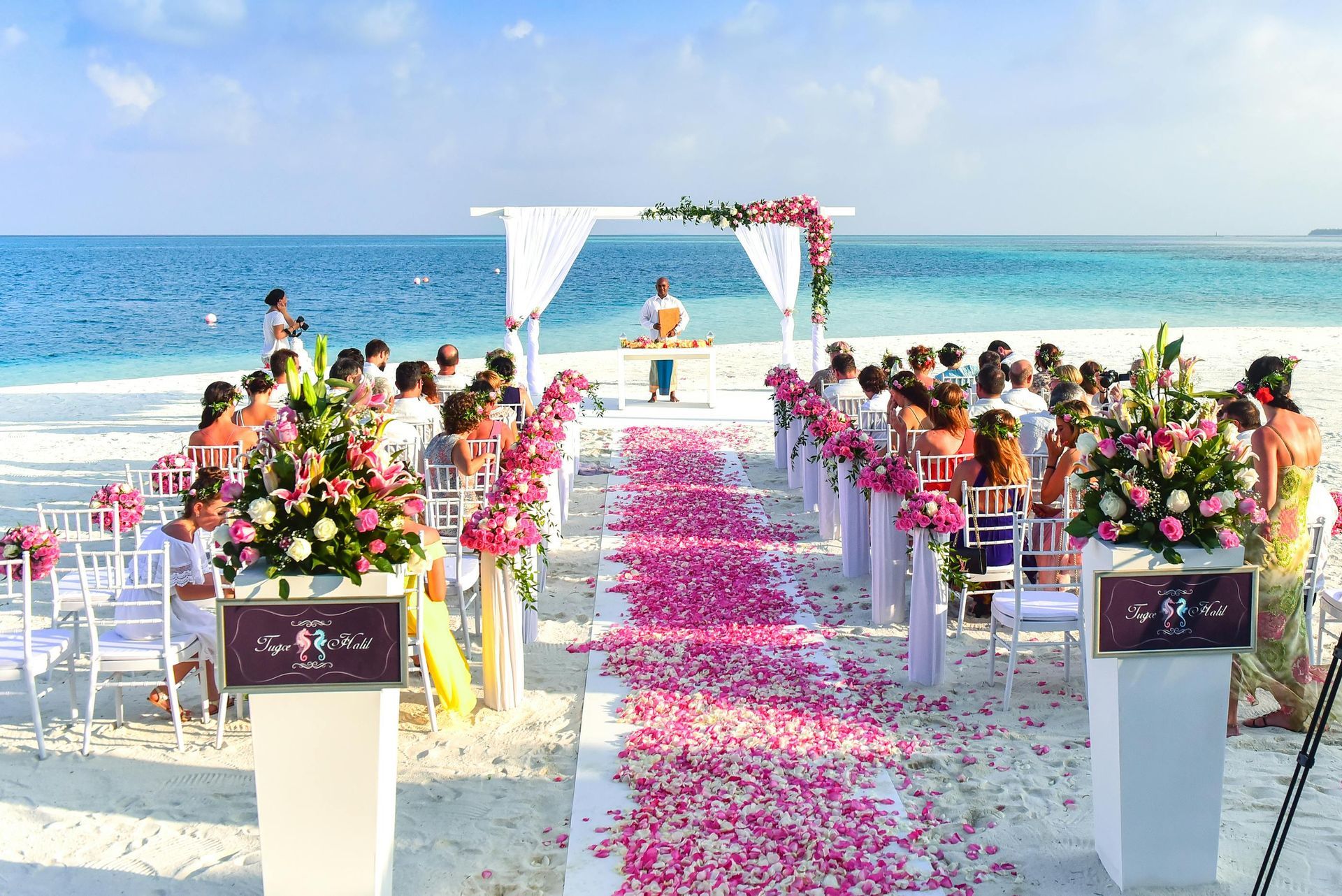
A multi-day destination wedding sounds like a dream: a full weekend with your favorite people in a beautiful place, thoughtfully planned events, elevated details, and unforgettable memories. And it can absolutely be that. But behind every effortless-looking wedding weekend is serious logistics. Travel schedules. Vendor contracts. Weather contingencies. International payments. Family opinions. When you’re hosting multiple events in a location far from home, complexity increases fast. The good news? You don’t need to sacrifice your sanity to host an extraordinary celebration. You just need structure, clarity, and smart delegation. Here’s how to plan a multi-day destination wedding without burning out before you walk down the aisle. Start With Strategy, Not Pinterest Before you choose florals or design welcome bags, define the scope of what you are building. Define the Weekend Clearly Ask yourself how many events you are hosting and whether each one will be fully hosted. Consider whether you are planning a welcome party, rehearsal dinner, ceremony and reception, and farewell brunch. Think through the formality level of each gathering so guests know what to expect. A luxury destination weekend is not simply a wedding in another location. It is a curated guest experience that unfolds over several days. When you define the framework early, you avoid overloading the schedule and overwhelming yourself later. Clarity at the beginning prevents stress down the road Build a Realistic Multi-Day Budget Destination weddings cost more than most couples initially estimate not because they’re wasteful, but because the logistics are layered. Instead of creating one global number, break your budget down by event. Treat the welcome party, wedding day, and brunch as separate productions. Hidden Cost Categories to Plan For Vendor travel and accommodations Transportation for guests between venues Welcome amenities and hospitality bags Importing specialty décor or rentals Currency exchange fees and international wire transfers Tents and weather backup solutions For upscale weddings, a contingency reserve of 10–15% is not optional. It protects you from exchange rate changes, last-minute weather adjustments, or expanded guest counts. Choose the Right Location and Read Your Contracts A venue may be stunning, but aesthetics are only one part of the decision. Beyond the view, evaluate how the property actually functions. Research typical weather patterns during your wedding month so you are not surprised by seasonal rain or extreme heat. Confirm any sound restrictions and curfews that could affect your reception timeline. Ask whether the venue offers a true backup indoor option or if you will need to secure tenting separately. Clarify whether the property is exclusively yours for the weekend or shared with other guests. You should also understand the practical realities such as access for vendors. If you are planning an outdoor ceremony in a region known for sudden weather shifts, build your contingency plan from the beginning rather than hoping for perfect conditions. Understand the Legal Requirements If you are marrying abroad, review residency requirements, required documentation, and any translation or apostille rules well in advance. Many couples choose to complete the legal marriage at home and hold a symbolic ceremony at the destination. This approach often simplifies paperwork and reduces stress. Build Your Vendor Team At the luxury level, your vendor team functions like a coordinated production crew. The difference between a smooth weekend and a stressful one often comes down to who is managing the moving parts behind the scenes. Hire a Destination Wedding Planner For a multi-day destination event, this is not optional. A strong planner manages: Vendor sourcing and contract negotiations Creation of the master production schedule Travel logistics and accommodations for vendors Setup and breakdown coordination Real-time problem solving during the weekend Without this leadership, you become the project manager. Doing this as a bride can lead to burnout. Decide Which Vendors to Fly In In some cases, flying in a trusted photographer, stylist, or designer makes sense. In others, hiring experienced local professionals is more efficient and cost-effective. Before deciding, evaluate: Travel and accommodation costs Shipping or freight requirements for equipment and décor Local vendor reputation and portfolio quality Customs regulations or import restrictions The added complexity of managing remote teams Every vendor you import increases travel costs and logistical coordination. Make those decisions intentionally and align them with your highest priorities. Plan for Weather Even If You Hope You Won't Need To Weather denial is one of the most expensive mistakes in destination weddings. If you are hosting events outdoors, secure tenting options early and consider flooring for grass or sand surfaces. Plan for wind stabilization for arches and floral structures. Provide fans, shade, or heaters depending on the climate. Review your insurance coverage so you understand what is protected. Luxury is not about appearance alone. It is about comfort. A beautiful ceremony loses its magic if guests are uncomfortable. Avoid the Most Common Pitfalls Even well-funded weddings can unravel without structure. Watch for these stress triggers: 1. Overloading the Weekend It’s tempting to fill every hour with activities. But guests need downtime. A packed schedule creates fatigue, especially when travel is involved. Allow breathing room between events so people can relax and enjoy the destination. 2. Ignoring Currency Fluctuations If you’re paying vendors in another currency, exchange rates can shift significantly over a year-long planning timeline. Budget conservatively and monitor payment deadlines carefully. 3. Failing to Set Guest Expectations Be clear about: Dress codes (especially for outdoor climates) Transportation times RSVP deadlines for each event Confusion leads to constant questions. Clear communication reduces unnecessary stress. 4. Trying to Control Every Detail Yourself This is the fastest path to burnout. High-end destination weddings operate like full-scale productions. If you try to personally oversee every decision, you’ll exhaust yourself before the weekend arrives. Bridesmaids are a great resource and are often happy to take on that burden. Delegate With Structure, Not Chaos Delegation is not losing control, it’s how you keep yourself sane. Define Roles Early Clarify who owns what: Your planner handles vendor coordination and logistics. You make major aesthetic and budget decisions. Bridesmaids assist with communication, RSVP tracking, and travel reminders. Family members support within defined boundaries. When roles are unclear, tasks can get duplicated or ignored. Establish a Decision Hierarchy Not every detail requires your approval. Decide in advance: What must come to you What your planner can finalize independently What can be delegated entirely Avoid endless group chats debating napkin shades. That drains energy you’ll need later. Protect the Final 72 Hours In the last three days before the wedding, implement one rule: no new decisions. At that point, everything should be set. Your focus shifts from logistics to presence. Use a Structured Planning Timeline For a multi-day destination wedding, twelve to eighteen months is ideal. Break the timeline into phases. Secure the venue and planner first. Book core vendors next. Finalize design elements after that. Send clear guest communication well in advance. Confirm the production schedule as the date approaches. Batch decisions when possible. Making constant small choices leads to fatigue. Intentional decision phases keep you focused and calm. Final 30-Day Checklist As the wedding approaches, shift into confirmation mode: Verify vendor travel itineraries Review the master production schedule Confirm weather contingency plans Reconcile all payments Prepare emergency kits for each event Confirm communication chains for the weekend At this stage, you should be ready to execute. Luxury Should Feel Effortless (Even When It's Not) A multi-day destination wedding is ambitious and layered. When it is executed well, it feels seamless. Events flow naturally. Meals are timed perfectly. Guests feel cared for without ever seeing the logistics behind the scenes. That ease comes from experienced professionals taking ownership of the details that matter most, especially hospitality. Food anchors the entire weekend. The welcome party sets the tone. The reception becomes the emotional centerpiece. The farewell brunch leaves the final impression. When catering is fragmented, the experience feels disconnected. When it is intentional and expertly managed, the entire celebration feels cohesive. This is where a team like Honey and Harmony Catering makes the difference. An experienced catering partner does more than create beautiful menus. They coordinate closely with your team and ensure each event feels premium yet comfortable. Luxury is not about excess. It is about genuine care. When hospitality is handled with precision and warmth, you are free to be present. You are not managing timelines. You are living the weekend.
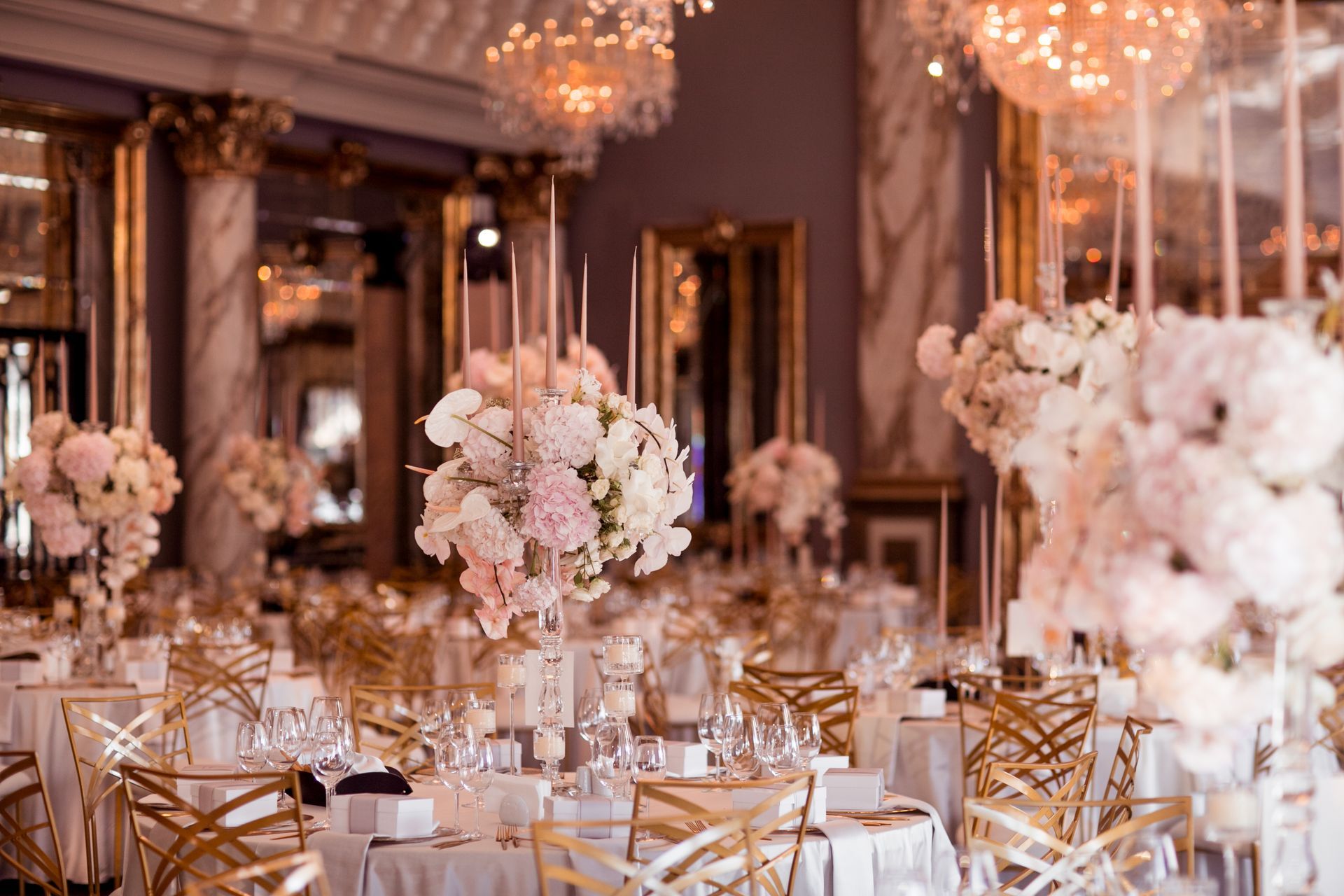
Luxury weddings are defined by more than beautiful design and high-end details. What truly sets them apart is how smoothly everything runs. Guests may not notice perfect logistics, but they always notice when something goes wrong. As budgets increase, so does complexity. More vendors, more custom elements, and higher expectations mean there is less room for error. Whether you are a professional planner or planning an upscale wedding yourself, understanding the most common logistics mistakes can help protect the experience you are investing in. Underestimating Load-In and Load-Out Time Luxury weddings often involve large installations, extensive rentals, custom décor, and full-service catering teams. These elements take time to install and remove, especially when venues have limited access hours or strict rules. When load-in time is rushed, vendors are forced to cut corners. This can impact everything from table placement to food service readiness. How to prevent it: Build timelines that allow more time than you think you need. Schedule venue walk-throughs with key vendors so everyone understands access points, elevators, and restrictions. Assign one person to manage logistics so decisions are clear and delays are handled quickly. Choosing Aesthetic Over Guest Flow Design inspiration is important, but layouts that look beautiful on paper do not always work in real life. Narrow walkways, poorly placed bars, or crowded dining areas can quickly create frustration for guests. In luxury weddings, guest comfort is just as important as visual impact. How to prevent it: Plan layouts with movement in mind. Think about how guests will enter the space, find their seats, visit the bar, and transition between moments. Work closely with catering and bar teams to ensure service areas support both efficiency and style. Insufficient Power and Technical Planning Many luxury weddings rely on advanced lighting, live entertainment, specialty cooking equipment, and climate control. Power needs are often underestimated, especially in outdoor or nontraditional venues. When power fails, service slows or stops entirely. How to prevent it: Hire professionals who can assess power needs early in the planning process. Coordinate power planning between catering, lighting, audio, and the venue. Backup power sources should always be part of the plan, not an afterthought. Poor Vendor Coordination and Communication Luxury weddings involve many specialized vendors. When those vendors are not aligned, timelines clash and small miscommunications turn into major problems. This often shows up during dinner service, transitions between events, or setup changes. How to prevent it: Create one master timeline that all vendors receive and follow. Establish a clear chain of command so everyone knows who makes decisions on the wedding day. Schedule coordination meetings before the event so key partners can walk through timing and expectations together. Ignoring Transportation and Guest Arrival Logistics Transportation is often treated as separate from the main event, but it directly affects timing. Late arrivals can delay ceremonies, compress cocktail hours, or rush dinner service. This is especially common in weddings with multiple locations or remote venues. How to prevent it: Align transportation schedules with the catering timeline. Make sure arrival times support smooth service transitions. Provide clear communication to guests and assign someone to manage arrivals on-site so issues are resolved quickly. Not Accounting for Weather Contingencies Outdoor weddings are popular at the luxury level, but weather remains unpredictable. Rain, wind, or extreme heat can affect décor, guest comfort, and food service. Relying on good luck is not a plan. How to prevent it: Develop a fully detailed backup plan that includes catering operations, not just ceremony space. Consider tenting, flooring, climate control, and food protection. Set decision deadlines in advance so changes can happen calmly and professionally. Treating Catering as a Standalone Service Catering is one of the most logistics-heavy elements of any wedding. When it is treated as separate from the overall planning process, issues arise with timing, space, power, and service flow. In luxury weddings, catering must be integrated into the full production plan. How to prevent it: Work with caterers who understand how their role connects to the entire event. Menu execution, service timing, staffing, and setup all need to align with design, transportation, and the overall guest experience. Why Strong Logistics Define a Luxury Wedding Luxury is not just about what guests see. It is about how the event feels. Smooth transitions, timely service, and calm execution create an experience that feels effortless, even when the production is complex. This is why choosing experienced partners matters. Catering teams like Honey & Harmony Catering approach events with a deep understanding of logistics, service flow, and coordination. By working closely with planners and other vendors, they help ensure that food, timing, and guest experience work together seamlessly. When logistics are handled well, couples and planners can focus on what matters most, celebrating the moment and creating lasting memories.

Learn how to keep your sanity while planning a picture perfect wedding with simple tips for reducing stress, staying organized, and enjoying your big day.