How to Add “Wow” Factor to Executive Events Without Going Over the Top
Executive events should feel polished, memorable, and appropriate for the organization hosting them. For law firms, architecture firms, financial companies, and other premium service providers, that often means creating an upscale atmosphere without relying on flashy decor or over-the-top entertainment.
The most effective executive events usually make an impression through thoughtful details. A custom menu, attentive service, a well-chosen venue, and a few carefully selected design elements can make guests feel valued while preserving a professional tone.
Begin With a Clear Purpose
Before choosing a venue, menu, or decor, determine what the event is meant to accomplish. A client appreciation dinner will require a different atmosphere than an office opening, awards presentation, or leadership retreat.
Consider what guests should remember after they leave. The goal might be to strengthen client relationships, recognize an important milestone, introduce a new service, or provide executives with an opportunity to connect outside the office.
Once the purpose is clear, every decision can support it. This also helps prevent the event from becoming cluttered with features that may look impressive individually but do not contribute to the overall experience.
Choose a Venue That Already Feels Elevated
A strong venue reduces the need for excessive decoration. Look for spaces with interesting architecture, quality furnishings, attractive views, or a sense of privacy.
Depending on the event, suitable options may include:
- Private dining rooms
- Art galleries
- Historic buildings
- Modern office spaces
- Boutique hotels
- Rooftop venues
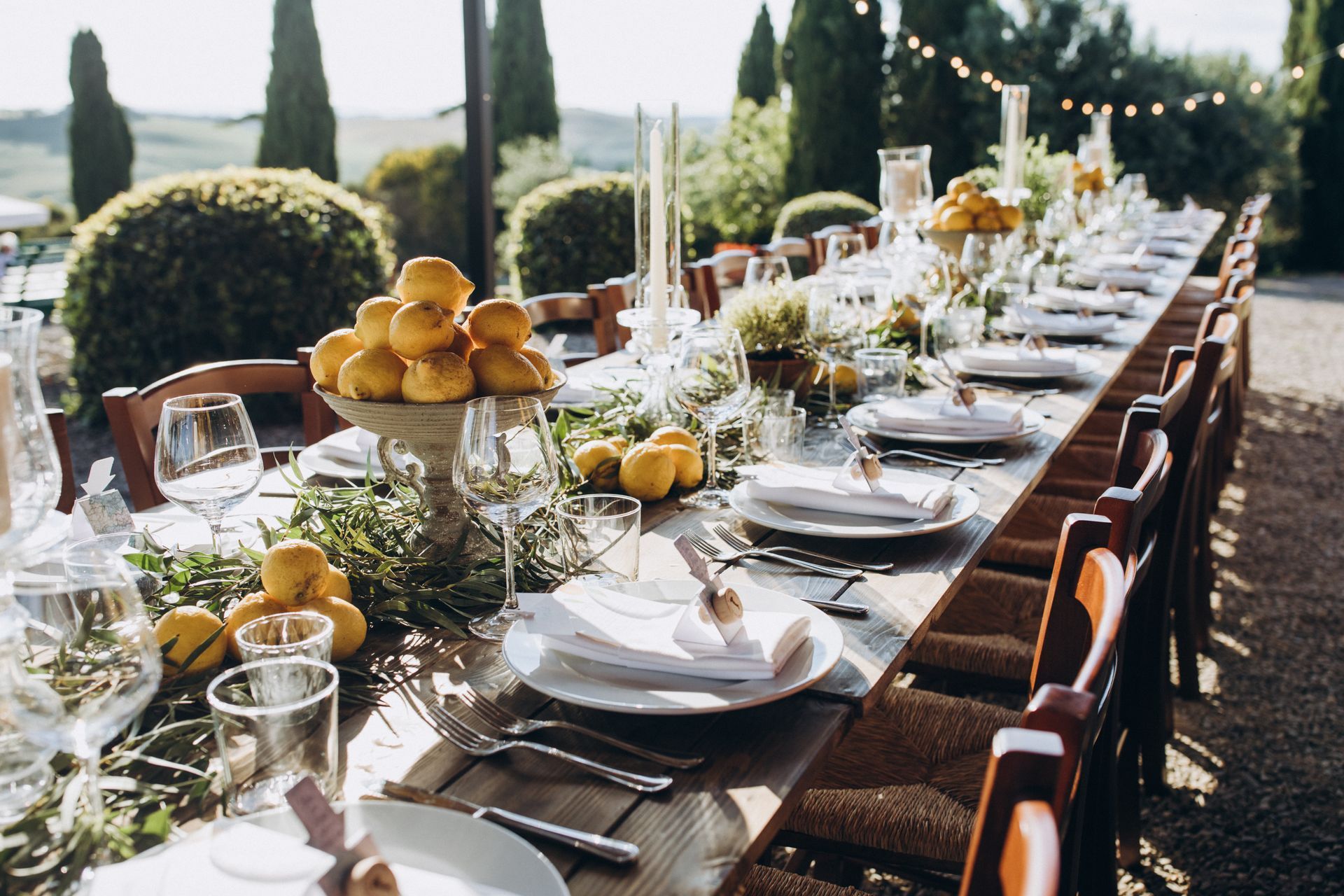
- Wineries or garden spaces
The venue should also support the practical needs of the gathering. Guests should be able to move comfortably between dining, networking, presentations, and other planned activities. Pay attention to acoustics as well. A beautiful room can quickly become frustrating if guests cannot hear one another or if a presentation is difficult to follow.
Build the Experience Around a Custom Menu
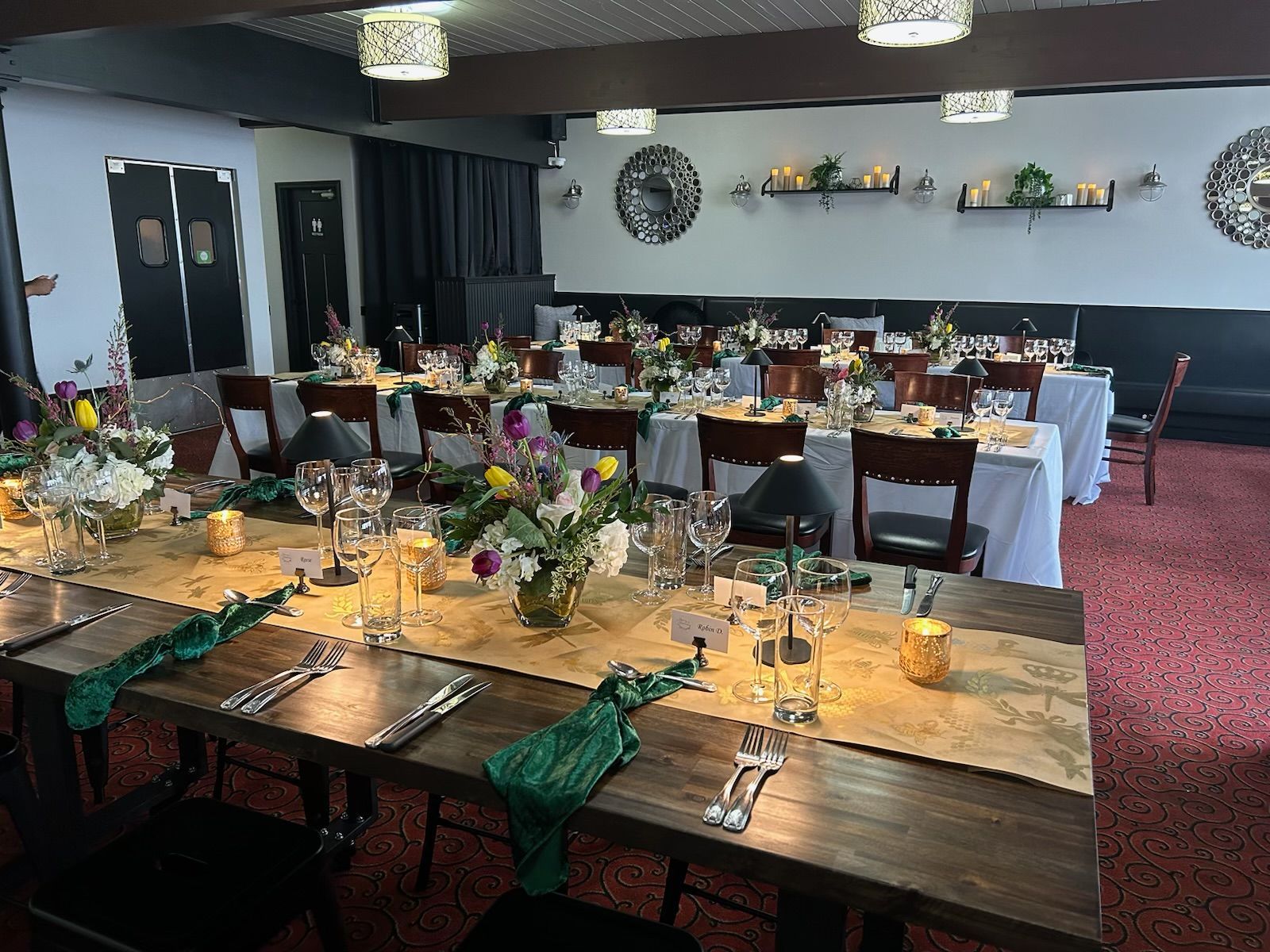
Food is often one of the most memorable parts of an executive event, but an upscale menu does not need to be overly complicated. A carefully planned menu should feel distinctive, reflect the occasion, and remain approachable for the guest list.
A custom menu can draw inspiration from the season, the event location, the company’s history, or the purpose of the gathering. A law firm celebrating a major anniversary might choose a refined multi-course dinner, while an architecture firm hosting a project unveiling may prefer a modern reception menu with passed appetizers and chef-attended stations.
Customization also allows the catering team to account for dietary restrictions without making certain guests feel like an afterthought. Vegetarian, vegan, gluten-free, and allergy-conscious selections should receive the same attention to flavor and presentation as every other dish.
Quality is more important than quantity. A few well-executed courses served at the right pace will usually make a stronger impression than an oversized menu that leaves guests overwhelmed.
Select the Right Service Style
The service format should match the tone and schedule of the event. It can also shape how guests interact with one another.
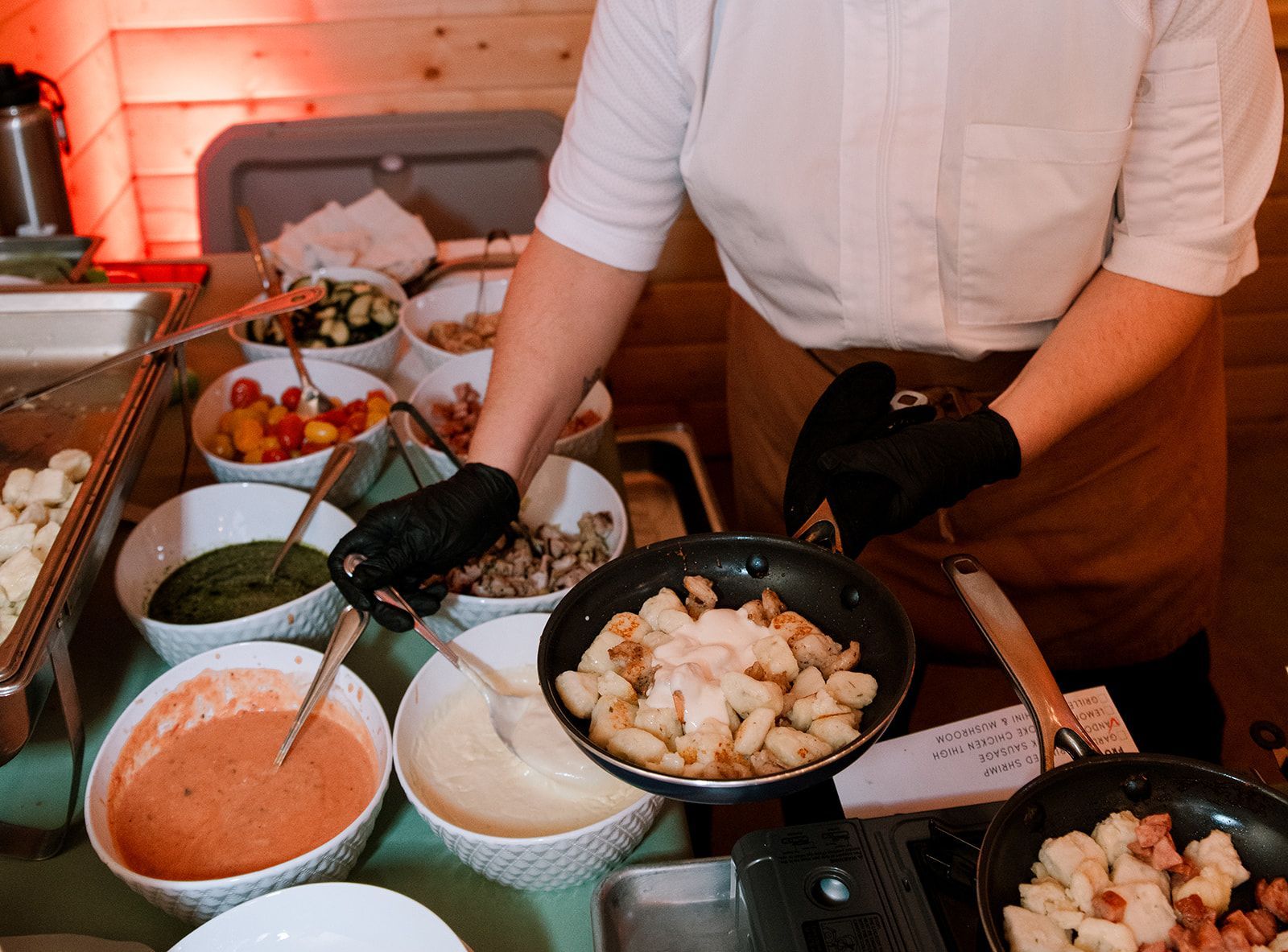
Passed appetizers work well for networking receptions because guests can move through the room without having to stop at a buffet. Chef-attended stations can encourage conversation while giving the meal a more interactive feel.
Plated service may be the best choice for formal dinners, awards ceremonies, or events that include scheduled presentations. It creates structure and allows guests to remain seated while each course is served.
Family-style service can feel warm and elevated when it is carefully presented, while a refined buffet may be appropriate for a larger guest list or a less formal schedule.
Whichever format is selected, there should be enough staff to keep service smooth and attentive. Guests should never feel rushed, ignored, or uncertain about where to go next.
Focus on One or Two Memorable Design Features
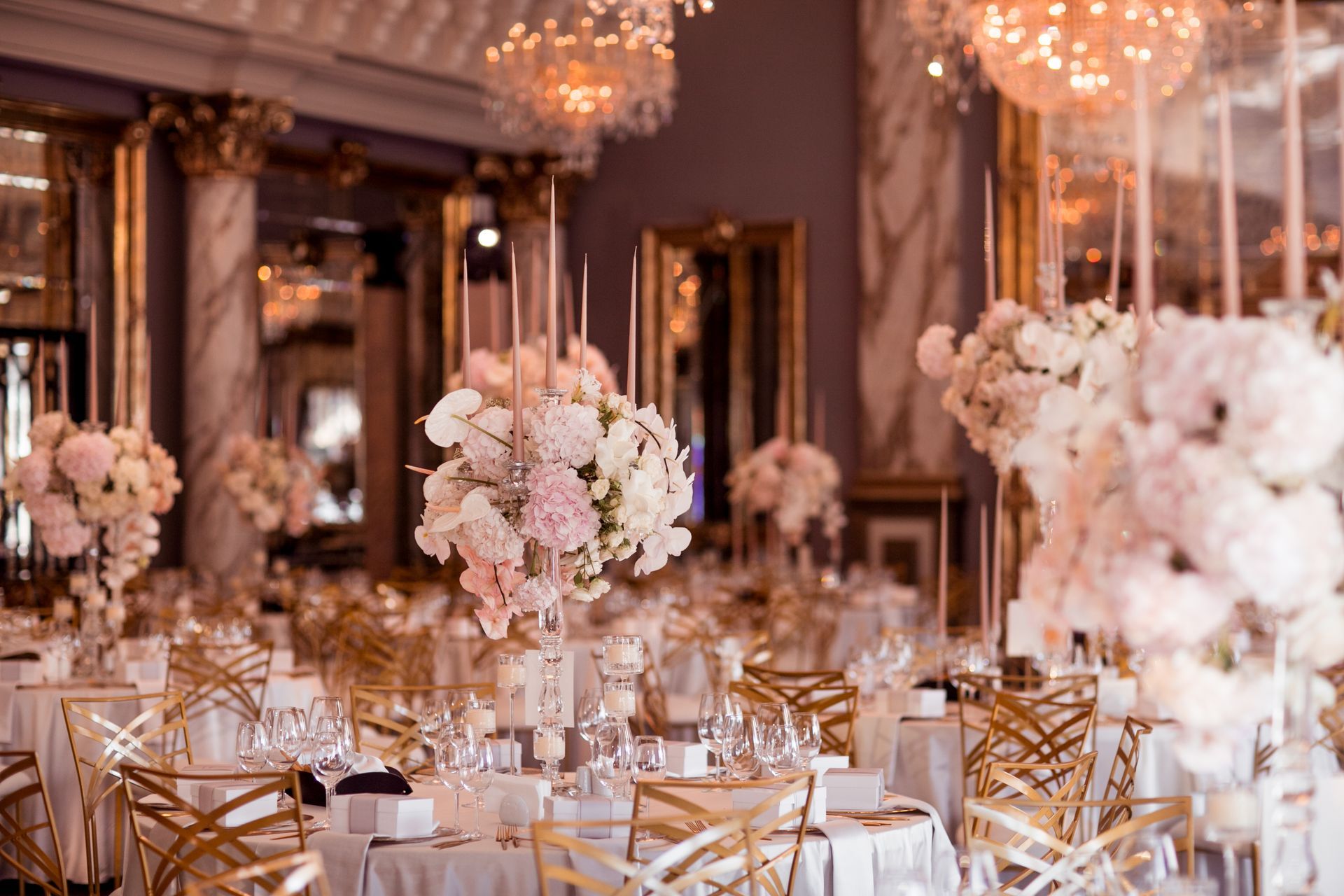
Executive events do not need decor in every corner of the room. In many cases, one or two strong focal points create more impact than several competing installations. A thoughtfully designed welcome display can establish the tone as guests arrive. A floral arrangement, custom sign, statement lighting feature, or well-designed presentation area can provide visual interest without overwhelming the space.
Keep the color palette limited and coordinated with the venue or the company’s existing brand. Neutral shades, deep colors, natural textures, and metallic accents can help the room feel elevated while remaining understated.
The scale of each design feature matters. Decor should complement the room rather than obstruct views, interfere with service, or make conversation more difficult.
Use Branding With Restraint
Corporate branding can make an event feel cohesive, but too many logos can make the experience feel promotional. Subtle branding usually creates a more sophisticated result.
The company’s identity can be incorporated through:
- Custom menus
- Welcome signage
- Place cards
- Presentation screens
- Cocktail napkins
- Table numbers
- Small branded gifts
Brand colors may also be used as accents in floral arrangements, linens, lighting, or printed materials. The goal is to make the event recognizable as an extension of the firm without turning the venue into an advertisement.
For premium organizations, restraint can communicate confidence. A small number of well-designed branded elements often feels more established than repeated logos throughout the room.
Add Personalization Guests Will Notice
Personalization can make an event feel exclusive without making it feel extravagant. Small details show that the host has considered the guest experience carefully.
Personalized place cards, welcome notes, or menus can make a formal dinner feel more intentional. Seating arrangements can also be planned to encourage useful introductions and stronger conversations.
For client events, consider incorporating details connected to shared projects, company milestones, or local interests. A menu may include ingredients from the region, or a brief welcome message may recognize the guests’ contributions to the firm’s success. The most effective personalization feels thoughtful rather than promotional. It should help guests feel recognized, comfortable, and included.
Make Conversation and Connection Easy
Many executive events are designed to strengthen professional relationships. The room layout, schedule, music, and service should all support that goal. Arrange tables and gathering areas so guests can speak comfortably. Avoid placing food stations in narrow walkways or setting background music at a volume that makes conversation difficult.
The event schedule should also leave room for natural interaction. Too many speeches, presentations, or scheduled activities can make the evening feel rigid. Keep formal remarks focused and relevant, then allow guests enough time to connect. For seated dinners, thoughtful seating arrangements can introduce people with shared interests or complementary professional backgrounds. At receptions, lounge areas and small cocktail tables can provide quieter spaces for conversation.
Choose Entertainment That Complements the Event
Entertainment should support the atmosphere rather than become the sole focus. For many executive gatherings, subtle entertainment is more appropriate than a large production.
Suitable options may include live jazz, an acoustic musician, a string ensemble, or a tasteful cultural performance. A guided tasting, chef presentation, or short architectural tour may also provide interest while remaining connected to the event. The best choice depends on the audience and venue. Entertainment should not interrupt conversation, compete with formal presentations, or feel unrelated to the organization hosting the event.
In some cases, no formal entertainment is necessary. Excellent food, a beautiful setting, and meaningful conversation may provide all the experience guests need.
Finish With Seamless Execution and a Thoughtful Final Impression
Even the most attractive event can fall short if the logistics feel disorganized. Smooth execution is one of the clearest signs of an upscale experience.
Catering, rentals, decor, audio-visual needs, venue access, and staffing should be coordinated well before guests arrive. The event team should understand the schedule, know how to handle dietary requests, and be prepared for last-minute changes.
Food and drinks should be served at a comfortable pace, transitions should feel natural, and presentations should begin without unnecessary delays. Experienced vendors can anticipate common problems and resolve them without drawing attention away from the guests.
The final moments of the event deserve the same level of care. A well-presented dessert course, specialty coffee service, or small takeaway can give guests one last memorable detail.
Gifts do not need to be expensive. Locally made items, quality treats, or something connected to the event can feel more meaningful than a heavily branded promotional product.
Practical details also matter. Coat check, parking instructions, transportation, and departure timing should be clearly managed so the event ends as smoothly as it began.
Understated Details Can Make the Strongest Impression
Adding “wow” factor to an executive event does not require dramatic decor, elaborate entertainment, or an excessive number of features. The most memorable events often succeed because every element feels intentional.
A carefully selected venue, custom menu, attentive service, restrained design, and thoughtful personalization can create an experience that feels premium without becoming flashy. Honey & Harmony knows the importance of these details and makes sure they're executed flawlessly. If your next event calls for seamless execution from a professional event team, let Honey & Harmony Catering help make the night perfect.
How do you make corporate dinners fun?
Corporate dinners feel more engaging when guests have time to connect and the evening includes a few thoughtful interactive elements.
What are some elegant party themes for a corporate event?
Elegant corporate themes may include a modern monochrome dinner, an architectural-inspired reception, a seasonal garden gathering, a wine-pairing evening, or a refined local food experience.
The most effective themes use a limited color palette, subtle decor, and coordinated menu choices rather than overly elaborate decorations.
What type of menu works best for an executive event?
The best menu is one that feels tailored to the occasion. Custom menus can reflect the season, venue, company culture, or guest preferences while also accommodating dietary restrictions with the same level of care and presentation.